Creating a comfortable and productive home office space is essential for anyone working remotely or managing tasks from home. A well-designed workspace can improve focus, reduce stress, and make your workday more enjoyable. Whether you have a dedicated room or just a small corner, adopting the right strategies can transform your home office into a place where you feel motivated and comfortable. Here are practical tips to help you set up an ideal work environment at home.
Choose the Right Location
Selecting the right spot for your home office is the first step toward creating a productive workspace.
– Natural Light: Try to position your desk near a window to take advantage of natural daylight. Natural light boosts mood and alertness.
– Quiet Area: Choose a quiet spot away from household noise and distractions to maintain focus.
– Separate Space: If possible, dedicate a specific room or area solely for work. This separation helps your mind distinguish between work and relaxation.
Invest in Ergonomic Furniture
Comfort is key to avoiding fatigue and discomfort during long work hours.
– Ergonomic Chair: Choose a chair that supports your lower back and encourages good posture. Adjustable height and armrests are beneficial.
– Desk Height: Your desk should allow your arms to rest comfortably at a 90-degree angle while typing.
– Monitor Position: Place your computer screen at eye level, about an arm’s length away, to reduce neck strain.
Organize Your Workspace Efficiently
An organized workspace promotes clarity and reduces stress.
– Declutter Regularly: Keep only essential items on your desk to minimize distractions.
– Storage Solutions: Use shelves, drawers, or containers to store supplies and documents neatly.
– Cable Management: Use clips or sleeves to keep cables tidy and prevent tangling.
Optimize Lighting
Proper lighting reduces eye strain and helps maintain energy levels.
– Layered Lighting: Use a combination of ambient, task, and accent lighting.
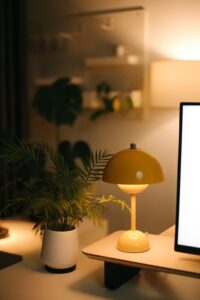
– Task Lighting: Consider an adjustable desk lamp to focus light exactly where you need it.
– Avoid Glare: Position computer screens to avoid reflections from windows or lights.
Personalize Your Space
Adding personal touches can make your office inviting and inspire creativity.
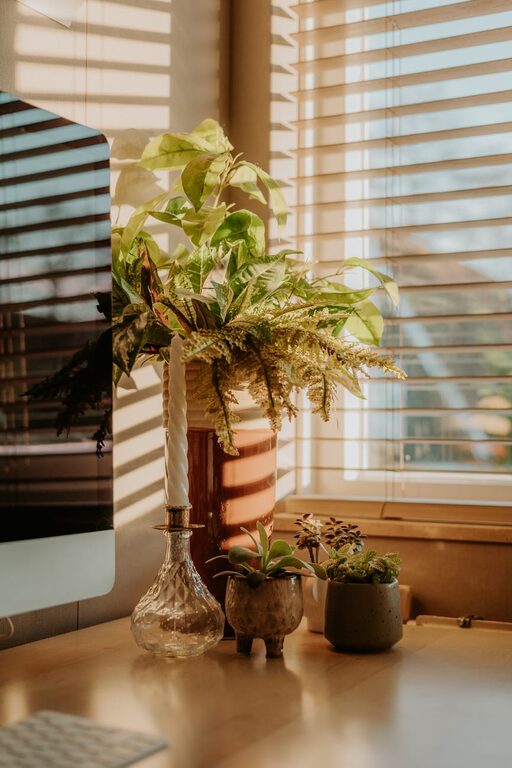
– Plants: Indoor plants improve air quality and provide a calming effect.
– Artwork: Hanging artwork or photos can brighten the space and lift your mood.
– Comfort Items: Use a cozy rug or cushions to add warmth and comfort.
Minimize Distractions
Maintaining concentration is easier when distractions are controlled.
– Noise Control: Use noise-canceling headphones or soft background music if helpful.
– Set Boundaries: Communicate work hours to family or housemates to reduce interruptions.
– Digital Focus: Limit non-work-related browsing or notifications during work hours using apps or browser extensions.
Incorporate Technology Wisely
Choosing the right tools can streamline your workflow.
– Reliable Internet: Ensure your internet connection is fast and stable.
– Quality Equipment: Invest in a good keyboard, mouse, and headset for comfort and productivity.
– Backup Solutions: Use cloud storage or external drives to secure your important files.
Take Breaks and Move Around
Even in a perfect workspace, it’s important to avoid sitting for long periods.
– Scheduled Breaks: Follow the Pomodoro Technique or similar methods to take regular breaks.
– Stretching: Stand, stretch, or walk around every hour to avoid stiffness.
– Separate Break Area: If possible, step away from your desk during breaks to refresh your mind.
Set a Routine
Consistency helps your brain prepare for work.
– Set Clear Hours: Define your start and end times to create a work-life balance.
– Morning Ritual: Start your day with a routine like a short walk or coffee to signal the beginning of work.
– End Ritual: Close your laptop and tidy your workspace to mark the end of your workday.
Final Thoughts
Creating a comfortable and productive home office doesn’t require a large budget or space. By focusing on ergonomics, organization, good lighting, and personal comfort, you can craft a workspace that supports your best work. Experiment with these tips to find what works best for you, and enjoy the benefits of a well-thought-out home office.
With a little attention to detail, your home office can become a place where productivity and comfort go hand in hand, making every workday a positive experience.