Creating a relaxing home office environment is essential for maintaining focus, reducing stress, and enjoying your work-from-home routine. A thoughtfully designed space can energize your day and improve productivity while keeping you comfortable and calm. Whether you have a dedicated room or a small corner, with a few changes, you can create a peaceful workspace that suits your needs.
Why a Relaxing Home Office Matters
Working from home often means balancing professional tasks with household distractions. A well-organized and calming office can help you separate “work” from “home” mentally, making it easier to dive into tasks and switch off when the day ends. Comfort and aesthetics both play a role in enhancing motivation and reducing burnout.
—
Choose the Right Location
Finding the best spot for your home office is the first step:
– Quiet Area: Select a space with minimal noise to help focus.
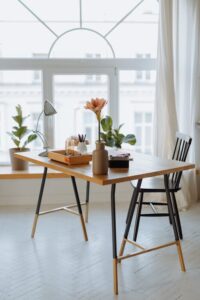
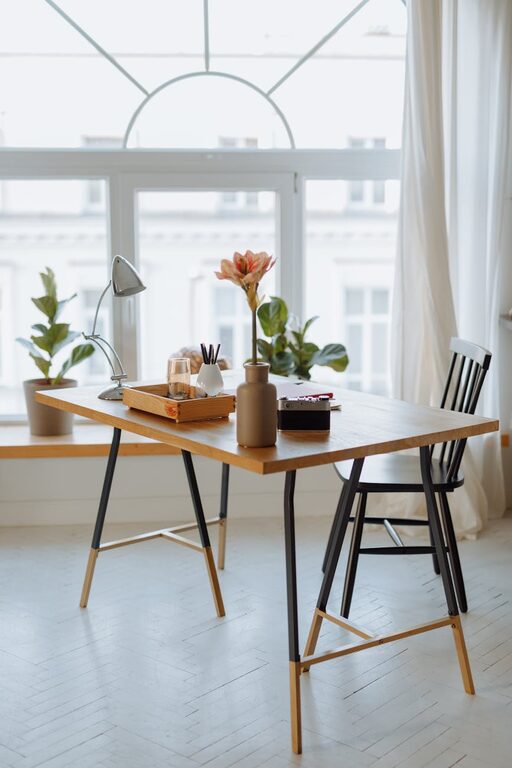
– Natural Light: Position your desk near a window if possible. Natural light improves mood and energy.
– Ventilation: Fresh air is important for concentration and comfort.
– Away from Distractions: Avoid high-traffic or noisy areas of your home.
—
Design Your Desk Space Thoughtfully
Your desk is the foundation of your home office, so make it work for you:
– Comfortable Chair: Invest in an ergonomic chair that supports your back.
– Desk Size: Choose a desk large enough to hold your essentials without clutter.
– Monitor Position: Keep screens at eye level to avoid neck strain.
– Cable Management: Use clips or sleeves to keep cords tidy.
—
Use Calming Colors and Decor
Colors can influence how you feel in a room:
– Soft, Neutral Tones: Shades like light blue, green, gray, or beige are calming.
– Minimal Patterns: Avoid overly busy wallpaper or decorations.
– Inspiring Art: Hang a few pieces that motivate you without overwhelming the space.
– Plants: Adding greenery can reduce stress and improve air quality.
—
Lighting for Comfort and Productivity
Good lighting reduces eye strain and improves alertness:
– Maximize Natural Light: Open curtains or blinds during the day.
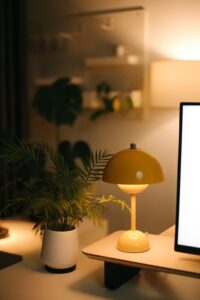
– Desk Lamps: Use adjustable lamps with warm light for focused tasks.
– Ambient Lighting: Soft overhead lights help create a relaxed atmosphere.
—
Keep Your Space Organized
Clutter can be distracting and stressful:
– Storage Solutions: Use shelves, drawers, and organizers.
– Daily Clean-Up: Spend a few minutes at the end of each workday tidying up.
– Essential Items Only: Keep only what you need on your desk.
—
Incorporate Personal Comforts
Adding elements that help you relax will make your office feel welcoming:
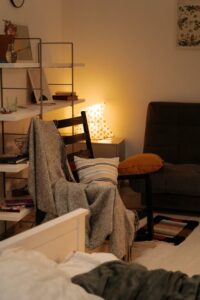
– Soft Textiles: A cushion or a small throw blanket adds warmth.
– Scent: Use subtle essential oils or candles with relaxing fragrances like lavender.
– Sound: Consider background music or white noise machines if they help you focus.
—
Establish Boundaries and Routine
Creating a relaxing environment also means managing how and when you work:
– Set Work Hours: Define start and end times to maintain balance.
– Break Space: Have a nearby spot where you can relax during breaks.
– Disconnect: Turn off work notifications after hours to avoid burnout.
—
Final Thoughts
A relaxing home office doesn’t require a complete redesign. Small thoughtful changes like adjusting your chair, adding a plant, or organizing cords can make a big difference. Your aim is to create a space that welcomes you each day, keeps distractions low, and supports your productivity. With these tips, you can build a home office that feels like a calm, motivating sanctuary.